Python Full Stack Course: Complete Guide to Becoming a Full Stack Developer
In today’s technology-driven world, businesses require professionals who can build complete web applications from start to finish. This is where a Python Full Stack Course becomes highly valuable. Python is one of the most popular programming languages due to its simplicity, versatility, and extensive use in web development, data science, automation, artificial intelligence, and cloud computing.
A Python Full Stack Course helps learners master both front-end and back-end development, enabling them to create dynamic, responsive, and scalable web applications. Whether you’re a student, fresher, working professional, or career changer, learning Python Full Stack Development can significantly enhance your career opportunities.
What is Python Full Stack Development?
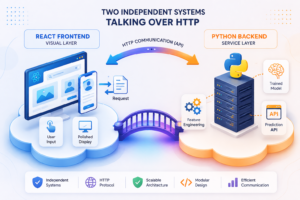
Python Full Stack Development involves working on all layers of a web application, including:
- Front-End Development (User Interface)
- Back-End Development (Server-Side Logic)
- Database Management
- API Development and Integration
- Application Testing
- Deployment and Maintenance
A Python Full Stack Developer can design, develop, and deploy complete web applications independently or as part of a development team.
Why Learn Python Full Stack Development?
Python is one of the world’s most popular programming languages due to its simplicity, readability, flexibility, and extensive ecosystem. It powers web applications, AI solutions, automation systems, cloud platforms, and data-driven applications.
Key Reasons to Learn Python Full Stack
- High demand in the software industry
- Easy-to-learn programming language
- Excellent career growth opportunities
- Strong community support
- Suitable for startups and enterprise applications
- Integration with AI and Machine Learning
- Opportunities for freelancing and entrepreneurship
Core Components of a Python Full Stack Course
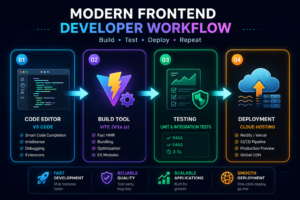
A professional Python Full Stack Training program typically covers the following modules:
1. Front-End Development
The front-end is responsible for creating interactive and visually appealing user interfaces.
Technologies Covered
- HTML5
- CSS3
- JavaScript ES6+
- Bootstrap
- Tailwind CSS
- React JS
These technologies help developers build responsive and user-friendly web applications.
2. Python Programming
Python serves as the backbone of full stack development.
Topics Covered
- Python Basics
- Variables and Data Types
- Functions
- OOP Concepts
- Exception Handling
- File Operations
- Modules and Packages
- Advanced Python Concepts
Python’s simple syntax enables rapid application development.
3. Back-End Development
The backend handles business logic, authentication, data processing, and API integration.
Frameworks Covered
Django
A powerful web framework offering:
- Authentication System
- Admin Panel
- ORM Support
- Security Features
- Rapid Development
Flask
A lightweight framework used for:
- API Development
- Microservices
- Custom Web Applications
4. Database Management
Every web application requires a database to store and retrieve information efficiently.
Databases Covered
- MySQL
- PostgreSQL
- SQL Queries
- Database Design
- Indexing
- Stored Procedures
- ORM Concepts
Students learn how to integrate databases with Python applications using Django ORM and SQLAlchemy.
5. REST API Development
Modern applications communicate through APIs.
API Topics
- REST Architecture
- CRUD Operations
- JSON Handling
- Authentication
- JWT Tokens
- API Security
- Django REST Framework
REST APIs allow integration between frontend applications and backend services.
6. Version Control & Collaboration
Tools Covered
- Git
- GitHub
- Branching Strategies
- Code Reviews
- Team Collaboration
Version control is essential for managing software projects effectively.
7. Cloud & Deployment
Modern applications are deployed on cloud platforms.
Deployment Technologies
- Docker
- AWS
- Azure
- Linux Basics
- CI/CD Concepts
Students learn how to deploy applications securely and efficiently.
Important Tools Used in Python Full Stack Development
| Category | Tools |
|---|---|
| Frontend | HTML5, CSS3, JavaScript, React JS |
| Backend | Python, Django, Flask |
| Database | PostgreSQL, MySQL |
| API Development | Django REST Framework |
| Version Control | Git, GitHub |
| Containerization | Docker |
| Cloud | AWS, Azure |
| IDE | VS Code, PyCharm |
| Testing | PyTest, Selenium |
Features of a Professional Python Full Stack Course
Industry-Oriented Curriculum
Training aligned with current market requirements.
Real-Time Projects
Hands-on development of:
- E-Commerce Applications
- Blogging Platforms
- CRM Systems
- Employee Management Systems
- Inventory Management Applications
Live Instructor-Led Training
Practical coding sessions with expert guidance.
Placement Assistance
- Resume Building
- Mock Interviews
- Technical Assessments
- Career Guidance
Certification
Industry-recognized certification after course completion.
Advantages of Learning Python Full Stack
Faster Career Growth
Developers who understand both frontend and backend technologies often have broader job opportunities.
High Salary Potential
Python Full Stack Developers are among the most sought-after professionals in the software industry.
Complete Development Skills
You can independently build:
- Websites
- Web Applications
- APIs
- SaaS Platforms
Freelancing Opportunities
Develop custom solutions for global clients.
Startup Opportunities
Launch your own software products and web applications.
Career Opportunities After Python Full Stack Training
After completing Python Full Stack Training, you can apply for roles such as:
Python Developer
Develop backend systems and automation solutions.
Full Stack Developer
Build complete web applications.
Django Developer
Specialize in Django-based enterprise applications.
Backend Developer
Focus on server-side development and APIs.
Software Engineer
Work on scalable enterprise software solutions.
Web Application Developer
Develop dynamic and responsive web applications.
Who Should Join a Python Full Stack Course?
This course is ideal for:
- Fresh Graduates
- Software Engineers
- Career Switchers
- Data Analysts
- IT Professionals
- Entrepreneurs
- Freelancers
Community discussions also highlight Python Full Stack as a strong entry point for freshers, particularly when combined with real-world projects and practical experience.
Why Choose SQL School for Python Full Stack Training?
At SQL School Python Full Stack Training, students receive:
- Step-by-Step Practical Training
- Real-Time Projects
- Live Interactive Sessions
- Industry-Oriented Curriculum
- Resume Preparation
- Interview Support
- Placement Assistance
- Mentorship from Experienced Trainers
The program is designed to make learners job-ready by focusing on practical implementation rather than theoretical concepts.
Frequently Asked Questions (FAQs) – Python Full Stack Course
1. What is a Python Full Stack Developer?
A Python Full Stack Developer is a professional who develops both the front-end and back-end of web applications using Python and modern web technologies such as HTML, CSS, JavaScript, React JS, Django, Flask, and databases like MySQL or PostgreSQL.
2. What will I learn in a Python Full Stack Course?
A Python Full Stack Course typically covers:
- Python Programming
- HTML5 and CSS3
- JavaScript
- Bootstrap
- React JS
- Django Framework
- Flask Framework
- SQL and Database Management
- REST API Development
- Git and GitHub
- Deployment and Cloud Concepts
- Real-Time Projects
3. Is Python Full Stack Development a good career in 2026?
Yes. Python Full Stack Development continues to be one of the most in-demand career paths due to the growing need for web applications, cloud solutions, automation, AI integrations, and enterprise software development.
4. Who can join a Python Full Stack Course?
This course is suitable for:
- Freshers
- Graduates
- Software Developers
- IT Professionals
- Career Switchers
- Freelancers
- Entrepreneurs
No prior programming experience is required for beginners.
5. What are the prerequisites for learning Python Full Stack Development?
Basic computer knowledge and an interest in programming are sufficient. Most professional Python Full Stack training programs start from fundamentals and gradually move to advanced concepts.
Conclusion
Python Full Stack Development is one of the most valuable and future-ready skills in today’s technology landscape. By learning Python, Django, React, SQL, APIs, Git, Docker, and Cloud Deployment, you gain the ability to build complete web applications from scratch. With growing demand across startups, product companies, and enterprise organizations, a Python Full Stack Course can open doors to rewarding career opportunities and long-term professional growth.
Python Full Stack Course: https://sqlschool.com/python-full-stack-training/
#PythonFullStack #PythonCourse #PythonTraining #PythonDeveloper #FullStackDeveloper #Django #ReactJS #WebDevelopment #Programming #Coding #SoftwareDevelopment #PythonCertification #OnlineTraining #TechCareer #SQLSchool
Contact No: +91 9030040801 or +91 9666640801
