Databricks Course: Build High-Performance Data Engineering & Analytics Skills
In today’s cloud-first data world, organizations demand fast analytics, scalable data pipelines, and AI-ready platforms. This is where a Databricks Course becomes a game-changer for aspiring and experienced data professionals.
Databricks simplifies big data processing by combining data engineering, analytics, and machine learning into a single unified platform called the Lakehouse.
Why Databricks is a Must-Have Skill in 2026
Traditional data tools struggle with speed, scalability, and collaboration. Databricks solves these challenges by offering:
Unified analytics platform
Cloud-native scalability
Real-time data processing
Seamless collaboration for teams
Learning Databricks gives you a future-proof skillset aligned with modern enterprise data architectures.
What You Will Learn in a Databricks Course
A structured Databricks Training Program focuses on both concepts and hands-on implementation.
Core Learning Areas
Apache Spark fundamentals using Databricks
Data ingestion and transformation pipelines
Delta Lake architecture and ACID transactions
Databricks SQL for analytics and reporting
Job scheduling, workflows, and automation
Performance tuning and cost optimization
- Introduction to MLflow and machine learning pipelines
Key Features of Databricks Platform
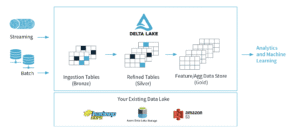
Unified Lakehouse Architecture
Combines the flexibility of data lakes with the reliability of data warehouses.
Collaborative Notebooks
Teams can write Python, SQL, Scala, and R in a shared workspace.
Delta Lake Storage
Ensures reliable data with schema enforcement, versioning, and rollback.
Auto-Scaling Compute
Clusters scale automatically based on workload demand.
Built-in Machine Learning
Track, train, and deploy models using MLflow without external tools.
Advantages of Learning Databricks
Faster Career Growth
Databricks skills are highly valued for Data Engineer, Analytics Engineer, and ML Engineer roles.
Enterprise-Grade Experience
Learn tools used by top global organizations for real-time analytics.
Multi-Cloud Exposure
Work with Databricks on Azure, AWS, and Google Cloud environments.
Job-Ready Practical Skills
Real-world projects simulate production-grade data pipelines.
Strong Salary Potential
Databricks professionals command premium salaries due to skill demand.
Who Should Enroll in a Databricks Course?
This course is ideal for:
Data Engineers & ETL Developers
Data Analysts moving to big data
BI Professionals upgrading to cloud analytics
Software Engineers entering data roles
Freshers aiming for high-growth data careers
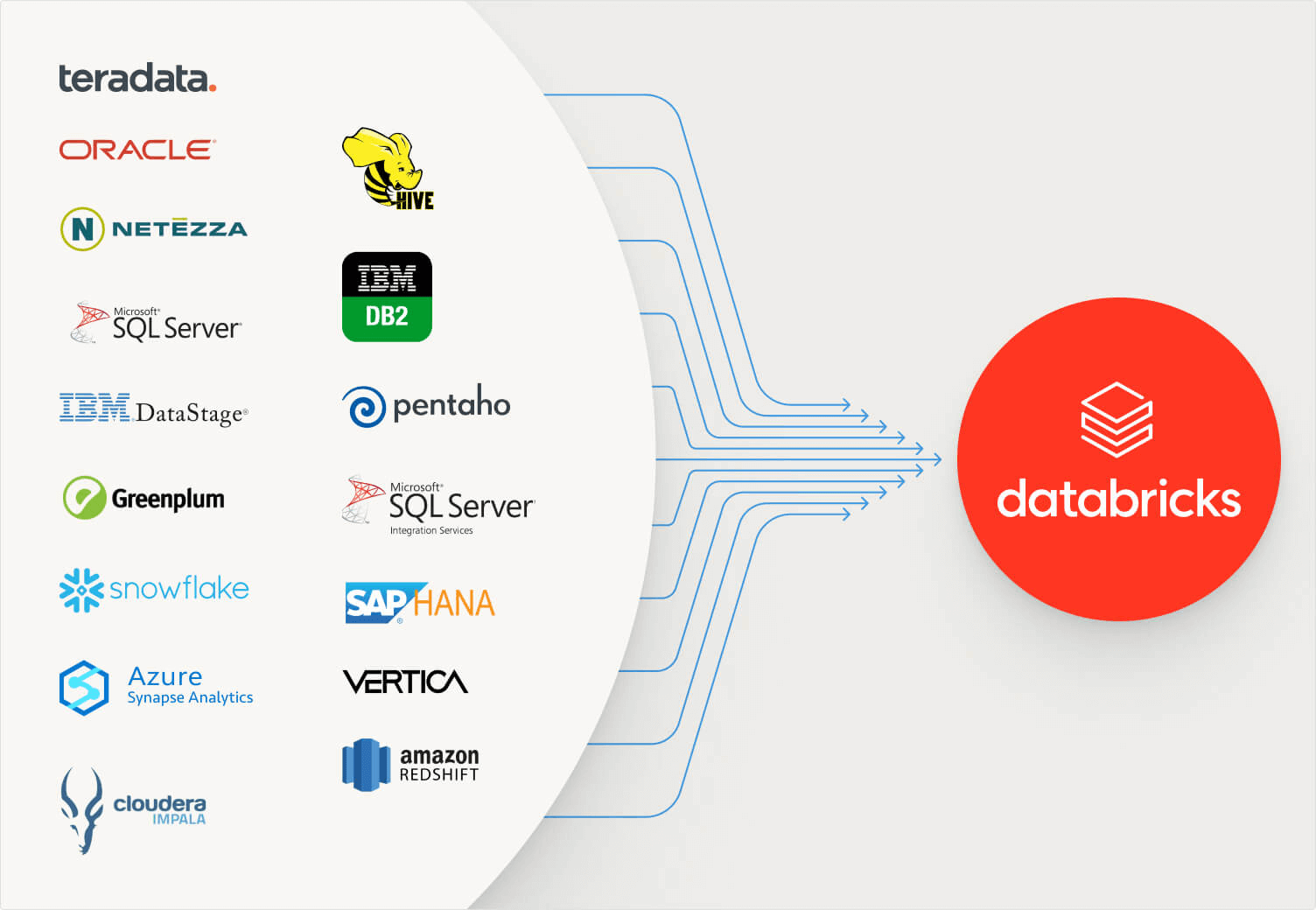
Databricks vs Traditional Big Data Tools
| Feature | Traditional Tools | Databricks |
|---|---|---|
| Setup & Maintenance | Complex | Fully Managed |
| Scalability | Manual | Auto-Scaling |
| Collaboration | Limited | Real-Time |
| Performance | Moderate | High |
| AI Integration | Separate Tools | Built-In |
Career Roles After Databricks Training
Databricks Data Engineer
Azure Databricks Developer
Analytics Engineer
Big Data Engineer
Machine Learning Engineer
Databricks experience opens doors to cloud-native data roles across industries.
Why Databricks Matters
Databricks validate your ability to:
Design scalable data pipelines
Work with Delta Lake and Spark
Optimize cloud analytics workloads
Handle real-time and batch data
Certified professionals stand out in interviews and global hiring markets.
Conclusion
A Databricks Course is not just about learning a tool—it’s about mastering modern data engineering and analytics. With its lakehouse architecture, Spark-powered processing, and built-in machine learning, Databricks has become the backbone of today’s data-driven enterprises.
If you aim to build a strong career in data engineering, analytics, or AI, Databricks training is a smart and future-ready investment.
Youtube Link: Click Here to Watch
#DatabricksCourse #DatabricksTraining #DataEngineering #ApacheSpark #DeltaLake #CloudAnalytics #SQLSchool
