Data Modeling Course – Build Strong Foundations for Data-Driven Success
In today’s data-driven world, businesses thrive on structured, reliable, and scalable data architectures. A Data Modeling Course equips learners with the skills to design databases and analytical structures that drive insights, performance, and growth. Whether you are an aspiring Data Analyst, BI Developer, Database Professional, or Data Engineer, mastering data modeling is a crucial milestone in your data career.
What is Data Modeling?
Data modeling is the process of visually representing data structures, relationships, and rules that govern data behavior. It lays the blueprint for how data is stored, accessed, and managed in systems like relational databases, data warehouses, and analytical platforms.
In simple terms, data modeling helps convert business requirements into logical and physical data structures that support analytics, reporting, and application performance.
Why Data Modeling Matters in Today’s Data Ecosystem
Data without structure is chaos. A solid data model brings order, meaning, and efficiency to data assets. Here’s why data modeling is essential:
Improves Data Quality and Consistency
With clear definitions, naming standards, and relationships, data becomes accurate, consistent, and trusted across teams.
Enhances Performance and Scalability
Thoughtful models reduce redundancy and optimize storage, leading to faster queries and smoother system performance.
Aligns Business and IT
Data models act as communication bridges between business needs and technology solutions.
Supports Analytics and BI Initiatives
From dashboards to AI models, reliable analytics begins with well-modeled data.
Features of a Comprehensive Data Modeling Course
Our Data Modeling Course is designed for real-world applicability. Here’s what you will gain:
1. Conceptual, Logical, and Physical Modeling
Learn to design all three layers of data models — from high-level business views to implementation-ready designs.
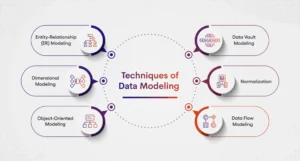
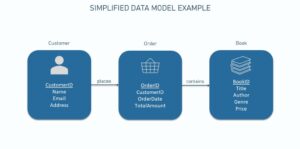
2. Entity Relationship Diagrams (ERDs)
Master ERDs to represent data entities, attributes, and relationships clearly.
3. Dimensional Modeling for BI and DW
Understand star schemas, snowflake schemas, facts, dimensions, and how they power data warehousing.
4. Hands-On Tools and Techniques
Get practical experience with industry tools such as ERwin, PowerDesigner, MySQL Workbench, or SQL Server Data Tools.
5. Real Projects and Case Studies
Apply your skills to real business scenarios — defining requirements, designing models, and validating results.
6. Best Practices and Design Patterns
Learn normalization, denormalization, naming standards, and performance-oriented modeling techniques.
Importance of Data Modeling in Careers
Pursuing a Data Modeling Course opens doors to high-demand roles, including:
Data Analyst
Analyze business data effectively with sound model structures.
BI Developer
Build dashboards backed by optimized, reliable models.
Data Architect
Lead data strategy with strong modeling expertise.
Database Developer
Design efficient databases with performance and integrity.
Data modeling skills are frequently listed in job descriptions for top data roles. Mastering them can directly boost your employability and project impact.
Who Should Enroll in This Course?
This course is ideal for:
Beginners in data and analytics
IT professionals looking to upskill
Database administrators
Data engineers and architects
Business analysts seeking data fluency
Frequently asked Questions (FAQ’s)
1. What is a Data Modeling Course?
A Data Modeling Course teaches you how to design structured databases using conceptual, logical, and physical models.
It covers ER diagrams, normalization, and dimensional modeling for real-world projects.
2. Why is data modeling important?
Data modeling ensures structured, consistent, and high-performance data systems.
It forms the foundation for analytics, reporting, and business intelligence solutions.
3. What are the types of data models?
The three types are conceptual, logical, and physical data models.
Each defines data structure at different levels from business view to database implementation.
4. What tools are used in data modeling?
Popular tools include ERwin, PowerDesigner, MySQL Workbench, and SQL Server Data Tools.
These tools help design, visualize, and implement database structures efficiently.
5. Is data modeling important for Data Architects?
Yes, data modeling is a core skill for Data Architects and database professionals.
It helps design scalable, secure, and enterprise-level data systems.
Conclusion
In a world where data powers business decisions, data modeling stands at the heart of every successful data ecosystem. Whether you aim to launch a career in analytics or strengthen your technical prowess, this course builds the foundation you need.
Enroll today to transform raw data into impactful insights with confidence and clarity!
Data Modeling Training Course: https://sqlschool.com/data-analyst-training/
Data Modeling Course Curriculum: https://sqlschool.com/wp-content/uploads/2026/01/Data-Analyst-with-AI-Training-2.pdf
#DataModeling#DataModelingCourse#DataModelingTraining#DatabaseDesign#DataArchitecture#DimensionalModeling#StarSchema#SnowflakeSchema#DataWarehouse
#BusinessIntelligence
Trainer: Mr. Sai Phanindra
With 19+ Years of
technical expertise exclusively on SQL & Database Technologies, I assure you 100% Practical, Step by Step Classes.
Linkdin Profile: www.linkedin.com/in/saiphanindra/
Contact No: +91 9030040801 or +91 9666640801
