Learn MySQL Database with Real-Time Projects: Your Path to Data Mastery in 2026
Master the world’s most popular open-source database and build a future-proof career.
In the modern tech ecosystem, data is the most valuable asset an organization owns. Whether you are an aspiring Backend Developer, a Data Analyst, or a Cloud Engineer, mastering a robust database system is non-negotiable. Our professional MySQL Course at SQL School is designed to take you from foundational queries to advanced performance tuning.

What is MySQL? The Backbone of the Modern Web
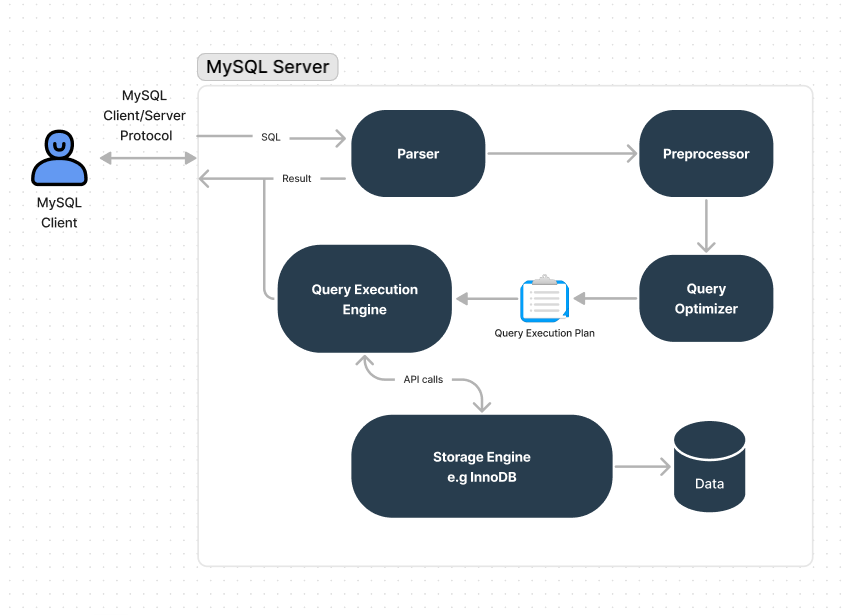
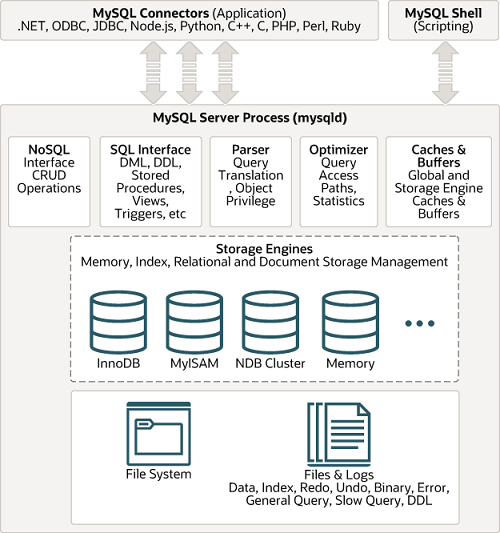
MySQL is a leading Relational Database Management System (RDBMS) that uses SQL (Structured Query Language) to manage data in a structured, tabular format. It is the engine behind giants like Facebook, Uber, and WordPress.
Key Features of MySQL:
- High Performance: Optimized for fast processing and high-volume data handling.
- Scalability: Grows with your application, from local development to cloud-scale.
- ACID Compliance: Ensures data integrity and reliable transaction processing.
- Security: Advanced encryption and granular user-access controls.
Comparison: MySQL vs. Other Systems (2026)
| Feature | MySQL | PostgreSQL | SQL Server |
|---|---|---|---|
| Best For | Web Apps & CMS | Complex Analytics | Enterprise Windows |
| Ease of Use | Very High | Moderate | High (with SSMS) |
| Cost | Open Source (Free) | Open Source (Free) | Licensing Required |
Why Learn MySQL in 2026?
The demand for database professionals continues to surge as companies migrate to the cloud and embrace AI-driven analytics. Learning MySQL provides:
- Cloud Ready Skills: Core knowledge for AWS RDS, Azure, and Google Cloud SQL.
- Universal Integration: Works seamlessly with Python, Java, Node.js, and PHP.
- Career Versatility: Opens doors to roles like DBA, Backend Engineer, and Data Architect.
Real-Time Projects in Our Course
We focus on hands-on learning. Our curriculum includes projects such as:
- E-commerce Database Design: Managing inventory, customer orders, and secure payment logs.
- Healthcare Data Management: Building secure, HIPAA-compliant patient record systems.
- Finance Analytics: Writing optimized queries for real-time fraud detection and reporting.
Career Opportunities & Growth
Completing this training opens doors to high-paying roles:
Database Administrator (DBA): Average salary $90k – $130k.
Backend Engineer: Build the logic behind your favorite apps.
Data Engineer: Design the pipelines that move data across the globe.
Frequently Asked Questions (FAQ)
1. Is MySQL better than NoSQL (like MongoDB)?
MySQL is superior for structured data and complex relationships where data integrity is vital. NoSQL is better for unstructured, rapidly changing data. Modern systems often use both together.
2. Can a beginner learn MySQL?
Yes! MySQL uses an English-like syntax. Our course starts with the absolute basics, making it accessible to those with zero coding background.
3. What is the difference between SQL and MySQL?
SQL is the query language, while MySQL is the software (database engine) that stores the data and interprets the SQL commands.
4. Does this course cover SQL Server Management Studio (SSMS)?
While we focus on MySQL Workbench, we provide bridge modules for SQL Server 2025 and SSMS to ensure you are a versatile database professional.
