
Fabric Data Engineering Course | Master Data Engineering on Microsoft Fabric
In today’s data-driven world, mastering modern tools for building scalable data systems, data pipelines, and analytics solutions is essential. The Fabric Data Engineering Course at SQL School equips students with practical skills to design, develop, and manage enterprise-level data engineering workflows using Microsoft Fabric, a unified data analytics platform.
What is Microsoft Fabric and Why Data Engineering Matters?
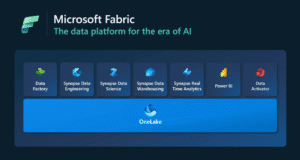
Microsoft Fabric is a powerful, unified cloud-based data and analytics platform that enables organisations to collect, store, process, and visualise data — all within a single environment. It brings together data engineering, data integration, analytics, real-time intelligence, and reporting in one SaaS platform, eliminating the need for separate tools and services.
Data engineering in this context refers to building robust infrastructure that ensures data is accessible, clean, and ready for analysis. It’s a crucial discipline for companies looking to leverage large volumes of data for meaningful insights.
Key Features of the Fabric Data Engineering Course
Integrated OneLake Architecture
Learn to work with OneLake, the unified data lakehouse storage layer in Microsoft Fabric.
Store and manage data without fragmentation or duplication.
End-to-End Data Workflows
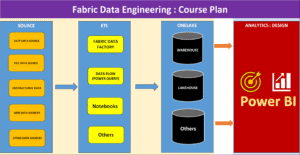
Design and orchestrate data pipelines, from ingestion through transformation to analytics.
Use Spark jobs, notebooks, and pipelines for batch and real-time data processing.
AI-Assisted Development
Harness Copilot and AI features built into Fabric for writing code, scheduling jobs, and optimizing workloads.
Real-World Tools and Techniques
Practical exposure to industry-standard tools like Spark, Python notebooks, and SQL.
Hands-on labs for building complete data solutions using Microsoft Fabric.
Certification Preparation
Course content prepares students for industry credentials such as the Microsoft Certified: Fabric Data Engineer Associate certification.
Importance of Fabric Data Engineering in Today’s Job Market
Data engineering is one of the fastest-growing roles in the tech industry. With organisations investing in data strategies for decision-making and automation, knowing how to architect data solutions end-to-end using modern platforms like Microsoft Fabric is a must-have skill.
Key advantages include:
Simplified data workflows from ingestion to visualization.
Reduced tool fragmentation since Fabric unifies core analytics capabilities on a single platform.
Scalability and flexibility to handle large-scale data engineering projects.
AI integration, making complex tasks faster and more efficient.
Advantages of Learning Microsoft Fabric Data Engineering
1. One Unified Platform
Unlike traditional ecosystems where separate tools for ETL, storage, and visualization exist, Microsoft Fabric offers a unified environment. This means you spend less time switching tools and more time building solutions.
2. High Demand for Data Engineers
Businesses across industries are adopting data-centric architectures. Data engineers skilled in Fabric are highly sought after for roles involving data pipelines, lakehouses, real-time analytics, and digital transformation.
3. Hands-On Skills with Real Tools
The course emphasizes hands-on learning, ensuring students can apply skills to real projects, build production-ready pipelines, and understand data orchestration and governance.
4. Certification Growth
Achieving recognition like the Fabric Data Engineer certification validates your expertise and boosts your professional profile.
How Students Can Learn the Fabric Data Engineering Course
Step-by-Step Guided Training
Our course breaks down complex concepts into digestible modules covering:
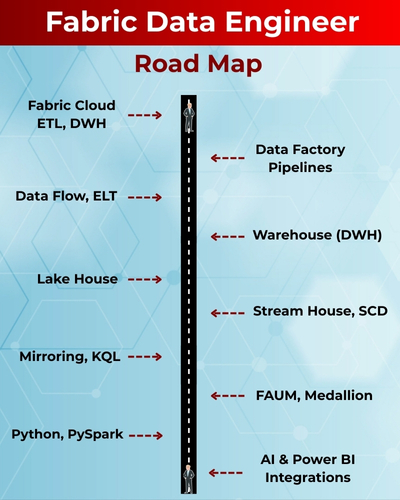
Introduction to Microsoft Fabric
Data ingestion & pipeline design
Transforming and storing data in lakehouses
Spark notebooks and job orchestration
Security, governance, and monitoring
Hands-on labs and projects ensure that students can implement what they learn in real-world scenarios.
Practical Projects and Assessments
Students will work on real datasets to build end-to-end data engineering pipelines, giving them the confidence to perform in live environments.
Certification Assistance
Training includes guidance on preparing for certification exams and understanding key topics that organisations value.
Community and Instructor Support
Learners gain access to expert mentorship from instructors with years of industry experience in data and analytics.
Conclusion
The Fabric Data Engineering Course is designed for aspiring data professionals and experienced engineers who want to excel in building modern data solutions on a unified platform. With comprehensive content, hands-on projects, and certification guidance, this course empowers learners to become proficient Fabric Data Engineers ready for the evolving data landscape.
Start your journey in Fabric Data Engineering today and build the skills to transform data into actionable insights.
Youtube link: Click Here to Watch
#MicrosoftFabric #FabricDataEngineering #DataEngineer #DataEngineeringCourse #SQLSchool #OneLake #Lakehouse #ETL #BigData #CloudCareers
